fingernails: silver
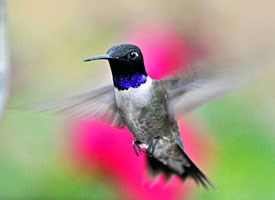
Okay, so I intended to start this blog off with more of a cooking/preserving/gardening tack, but today's quiche is an experiment and I saw my first of the year (FOY) black-chinned hummingbird, so that's what you're getting! Well maybe I'll sneak a pseudo-recipe in...
I dabble in photography, but I have to admit to borrowing pretty hummingbird pictures for this post from The Cornell Lab of Ornithology - All About Birds page. Thanks to the original photographers with better cameras and more patience than me!
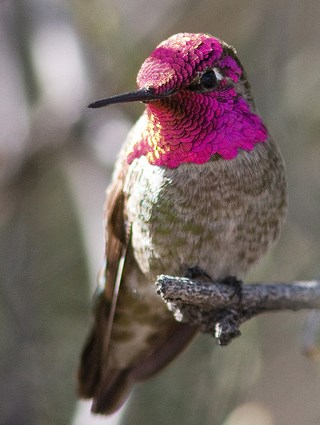
Here on the west coast, we're lucky enough to have hummingbirds here year-round. Anna's hummingbirds are our largest, and the males are striking with rose-pink feathers on their heads as well as their throats. They readily attend feeders, and you can often hear their squeaking songs in your neighborhood.
|
|
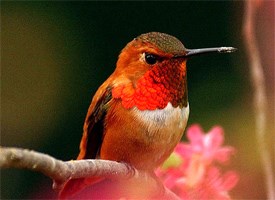 |
We also have a chance of spotting rufous hummingbirds during migration. Unlike our other two species with green body feathers, rufous live up to their name and sport a bright reddish-orange. Check out this recent Audublog post for more information on where they're showing up! |
For a cool opportunity to participate in some citizen science, Hummingbirds @ Home is a new program by the National Audubon Society designed to gather information on flowering times and hummingbird arrival (think climate change!) and the effect that feeders have on the birds. Download the app and participate!
Tangelo Mimosa
a glass of your favorite bubbly
a splash of tangelo juice
Pour together into a cute glass. Enjoy.
a glass of your favorite bubbly
a splash of tangelo juice
Pour together into a cute glass. Enjoy.
Super helpful, right?! Recipe inspired by My Drunk Kitchen.


You've inspired me to get my hummingbird feeder up this week!
ReplyDeleteWhew! I was starting to think it was going to be a hummingbird recipe!
ReplyDeleteHummingbird feeders are the perfect entertainment for your household cats and other felines as well. Always keep them in an area that cats can't reach. A lesson learned... :-/ Love you Lily! Congratulations on your first blog!
ReplyDelete